GPT-Live-1 mini: the Voice fallback is not a developer SKU

The smaller Live model is part of ChatGPT's Free-tier experience. It is not a public API SKU, and “mini” is not a price.

By benchr Editorial Team · · Changelog · Provider-published facts rechecked against the official sources on July 28, 2026

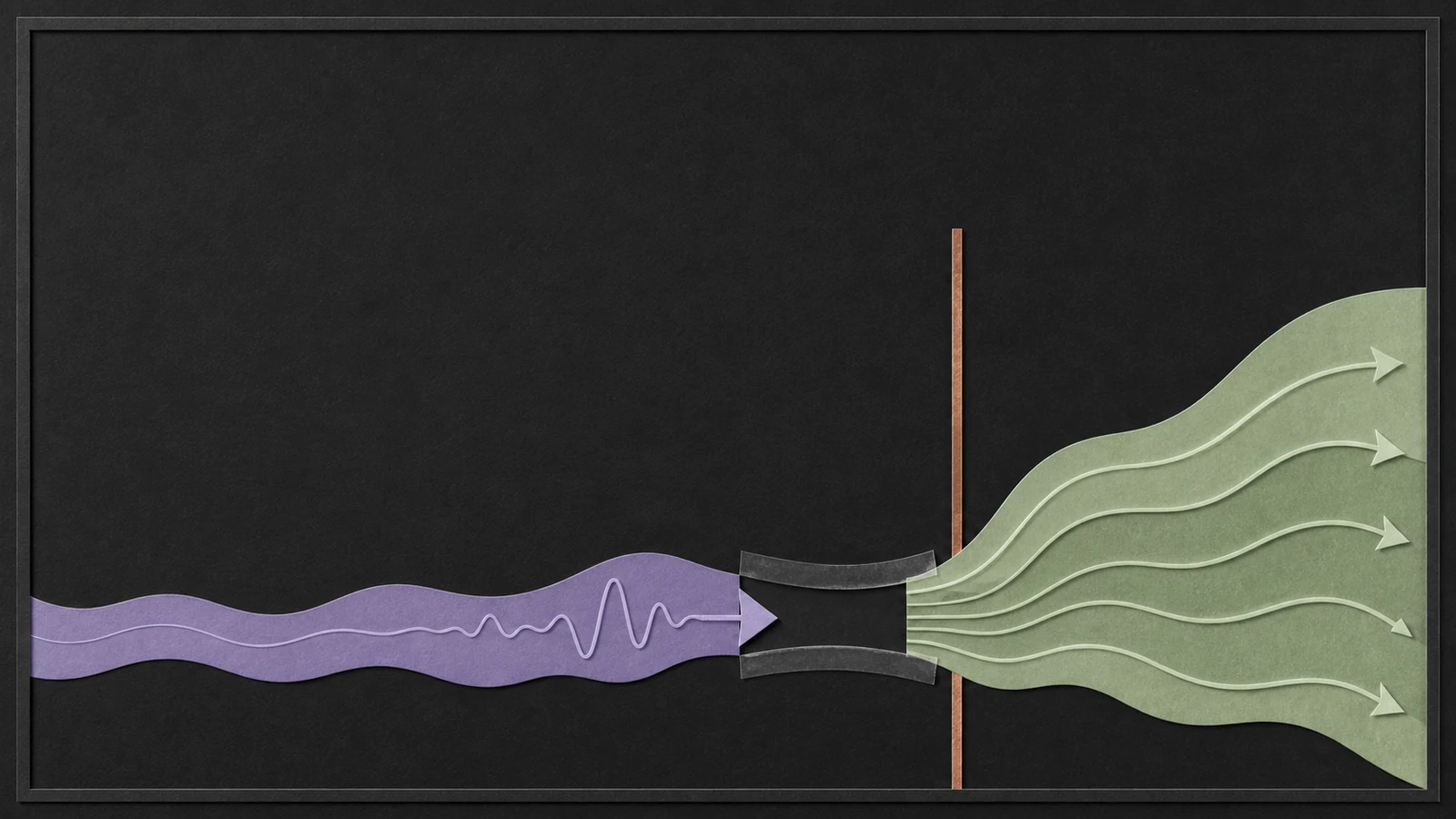
GPT-Live-1 mini: the Voice fallback is not a developer SKU: dark routing lines and measured green bands.
Benchr model field plate GPT-Live-1 mini Voice fallback · hand-off boundary
OpenAIGPT-Live-1 mini: the Voice fallback is not a developer SKU is framed by dark routing lines and measured green bands.
Launched8 Jul2026
User tierFreeChatGPT Voice
API IDNot published
API priceNot published

GPT-Live-1 mini arrived July 8 as part of the ChatGPT Voice rollout. It is easy to read the name as a cheaper developer model. OpenAI's announcement does not support that reading yet.

For now, mini is a ChatGPT tier

OpenAI places GPT-Live-1 mini in the Voice rollout for Free users, while GPT-Live-1 is the default for eligible paid plans. That describes the experience a ChatGPT user may receive. It does not give a developer an endpoint, throughput promise, or billing unit.

The name contains no price

The announcement lists no context window, maximum output, rate card, or API model string for GPT-Live-1 mini. Do not borrow a rate from GPT-Realtime or another OpenAI mini family. They are separate products with separate terms.

The Voice response may include a handoff

OpenAI says the Live models can delegate deeper work to other OpenAI models. What the user hears may be the result of a larger system, not one model acting alone. If you need a buildable voice agent, write down the endpoint, billing, tool, privacy, and fallback requirements first.

Provider-published facts; documented gaps remain gaps
FieldVerified record
AudienceChatGPT Voice Free users
InteractionFull duplex
API availabilityPlanned, not announced
Public rate / limitsNot published

The honest comparison is access, not capability

The announcement distinguishes the two versions by ChatGPT audience: mini for Free users and GPT-Live-1 for Go, Plus, and Pro. It does not publish a matched capability table, latency figure, or developer price. Any claim that mini is a fixed percentage faster, weaker, or cheaper would go beyond the source.

What OpenAI states about the two rollout tracks
QuestionGPT-Live-1 miniGPT-Live-1
ChatGPT audienceFree usersGo, Plus, and Pro users
Continuous voiceYes, in the described rolloutYes, in the described rollout
Public API contractNot announcedNot announced
Public API rateNot publishedNot published

Use the free rollout for user research

Ask participants to complete the same tasks across quiet and noisy environments, short and long pauses, interruptions, and multiple languages. Record task completion and conversational repair rather than asking whether the voice “sounds good.” This can reveal product needs now, but it still does not estimate an API service that has not been documented.

Design the fallback before the endpoint

A production voice agent needs a plan for dropped audio, tool failure, unsafe output, and transfer to a human. The launch also describes delegation to another model for deeper work, so the future integration may expose more than a single inference call. Keep the architecture provisional until the public API shows where those boundaries sit.

Compare cohorts without pretending they are model benchmarks

If the rollout gives a research team access to both tiers, use matched tasks and comparable devices, networks, languages, and environments. Record which ChatGPT plan and product version each participant used. A difference in the observed experience may come from the tier, a background model, a product feature, or rollout timing; do not publish it as an isolated mini-versus-standard model score without a controlled interface.

Focus the free-user study on accessibility and completion: can someone interrupt naturally, recover from a misunderstanding, and finish the task without looking at the screen? Add a quiet-room run and a realistic-noise run. Document where visual cards or text become necessary, because a voice-first workflow that repeatedly demands the display may not solve the intended problem.

Keep procurement separate. Free access inside ChatGPT says nothing about a future API's concurrency, service terms, data controls, or bill. The useful output of this study is a prioritized voice requirement list and a set of versioned conversations to replay when developer access arrives—not a guessed per-minute price.

Frequently asked

Who gets GPT-Live-1 mini?

OpenAI's launch post says the mini model is used for Free users in the ChatGPT Voice rollout.

Is GPT-Live-1 mini a public API model?

Not yet in the checked announcement; OpenAI says API availability is planned.

Can its price be inferred from other mini models?

No. OpenAI did not publish an API price or token limits for GPT-Live-1 mini.

Changelog

  • July 29, 2026 — Added a source-bounded tier comparison, user-research plan, and production fallback checklist.
  • July 28, 2026 — Published after reviewing the official provider sources and recording unreported fields as gaps.

References

  1. Official release announcement or release notes: https://openai.com/index/introducing-gpt-live/